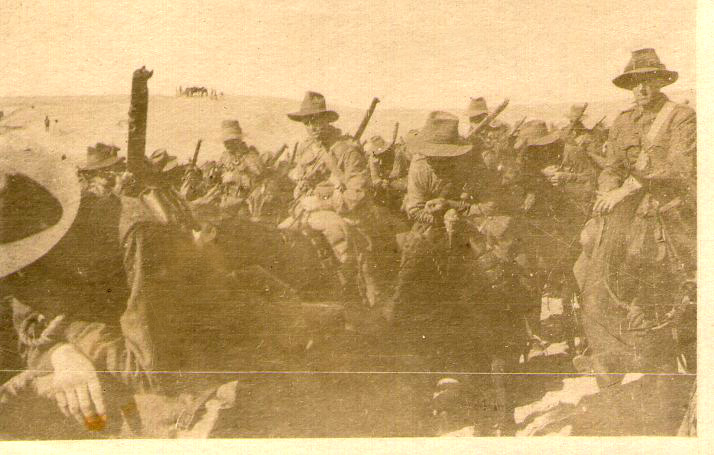

The Australian Light Horse
Mounted troops had been part of Australia’s home defence scheme since the 1890s, mostly as volunteers in rifle clubs.
The Australian Light Horse was founded to serve in the South African War from 1899-1902, and in World War 1 9000 men served in 23 Light Horse regiments in the Australian Imperial Force, with Australia shipping over 120,000 horses overseas during the war.
At the outbreak of World War II, there were 25 Light Horse regiments and of these 17 retained horses although they had been partially mechanised. Four had been converted to machine gun regiments and two had been converted to armoured car regiments.
By 1945 only two units remained, the 20th Light Horse Regiment and the 1st Light Horse Regiment.
The Light Horse Association was formed in 1986 by a group of army officers who had served in the 2nd/4th Light Horse Regiment (Queensland Mounted Infantry) and other interested parties who shared similar objectives to preserve the history and tradition of the Australian Light Horse, and to promote these objectives through the establishment of Australian Light Horse historical re-enactment troops and Light Horse museums.
Uniforms worn are either those of the 1914-18 or the 1930-40 era. Some troops concentrate on ceremonial parades by presenting both rider and horse as historically correct for the period they represent, whereas other groups concentrate on Light Horse skills which include tent pegging, skill at arms and other riding events.
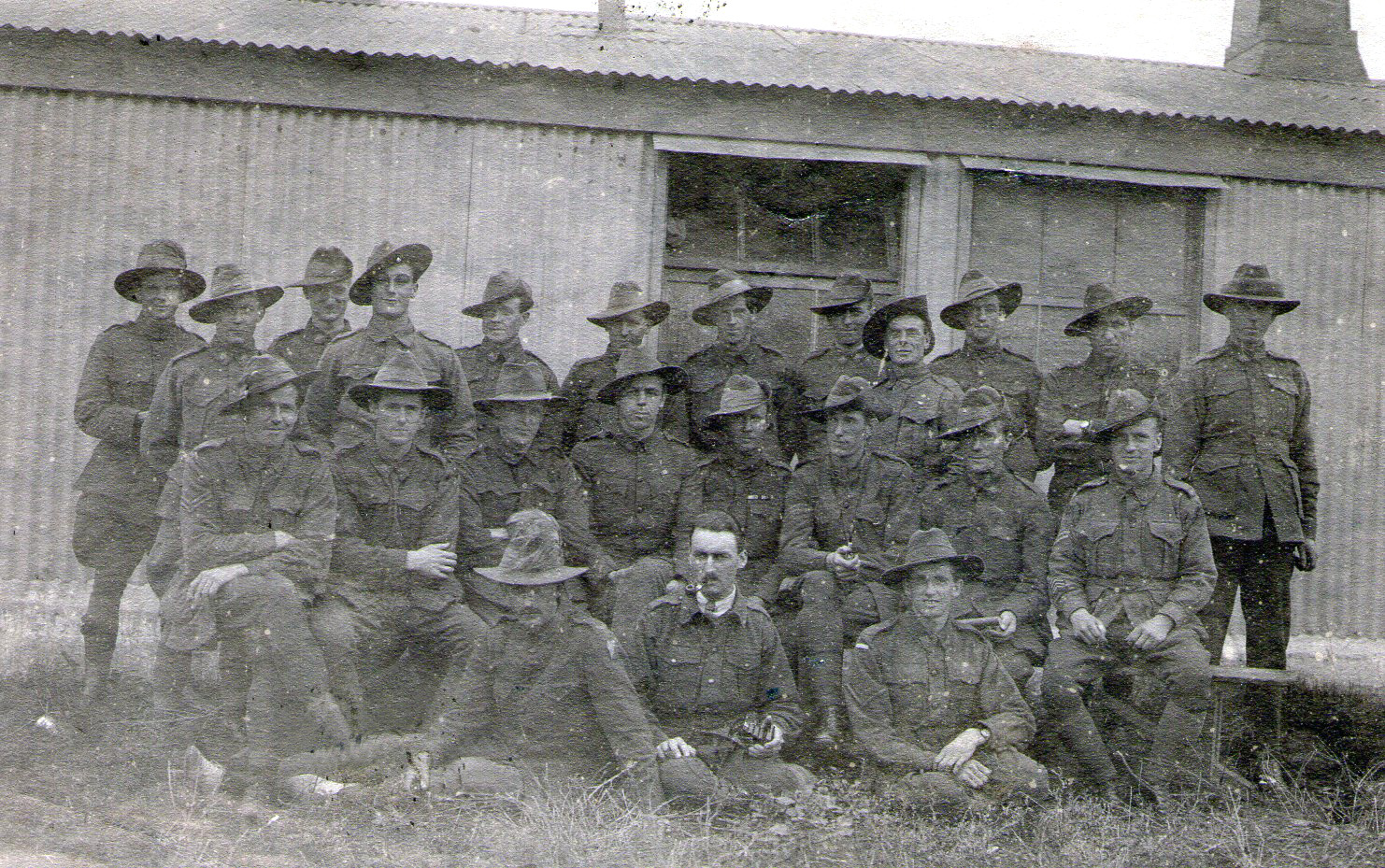
The Batchelor connection
Two relatives who served with the Australian Light Horse sparked a life-long interest in collecting Light Horse memorabilia and recreating the legend for Mick Batchelor.
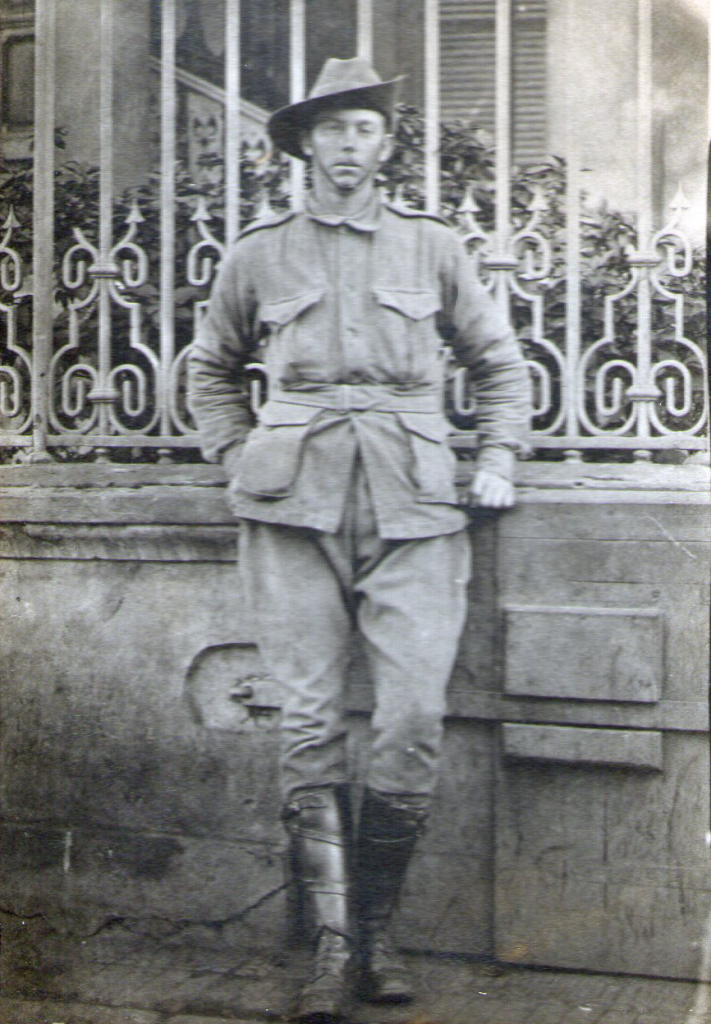
Mick, a former livestock carrier and horseman, discovered the incredible photographic record left behind by Alan Wilson, a great uncle of his wife Jeannie Batchelor.
As a young man, Alan left his family’s Griffith farm to enlist with the Australian Light Horse in World War I but was rejected as an essential worker, so rode 100km to Hillston where he was accepted.
Serving with the 6th Light Horse mounted infantry regiment as a Lance Corporal, Alan landed at Gallipoli but was eventually evacuated with illness.
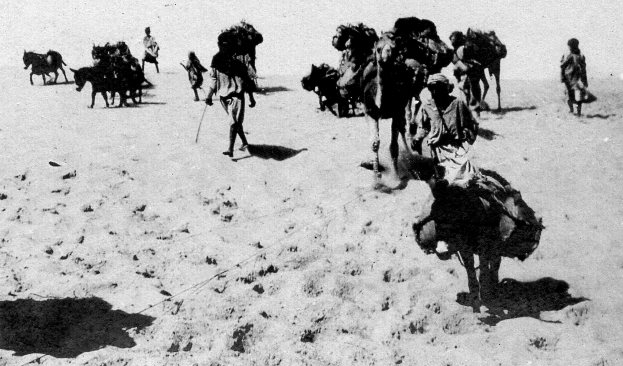
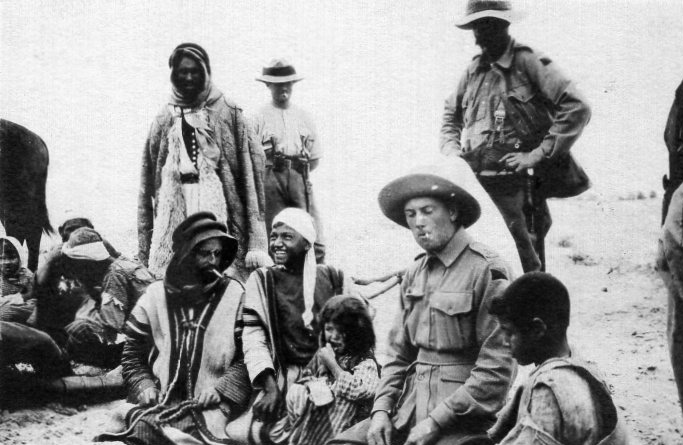
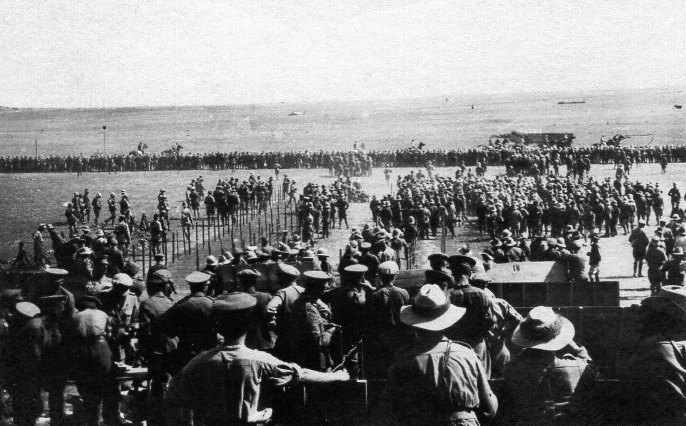
During his time in Eygpt and Palenstine Alan used his camera to create a record of day-to-day activities at the front line and on leave in Cairo, along with first-hand accounts on postcards to his family.
Mick studied the photographs for detail on the soldier’s uniform, equipment, saddlery and horses, and now uses the photographs as part of his Light Horse displays.
Mick’s father, John “Jack” Batchelor, was a crack shot and horseman, and served with the 21st Light Horse Regiment (Riverina Horse) in WWII.
Selected units of these expert bushman were sent to northern Australia with their mounts as the North Force to guard potential enemy landing points.
Jack was serving as a coast watcher on Timor during the Japanese invasion, escaping with commandos of the 2/2nd Independent Company to begin a guerrilla campaign called Sparrow Force, inflicting heavy casualties among the Japanese.
In 2018 Mick visited the mountainous locations in Timor where his father bravely fought and narrowly escaped death after a Japanese grenade had lodged in his backpack.